
Everyone loves a day at the beach, lake, pool, river or stream, but each has its unique characteristics that may pose a risk to you or your children. Before you go, take a few minutes to make sure you are taking what you need to keep everyone safe, including information about your destination.
Basic Safety
- Never swim alone! And be mindful of your swimming abilities.
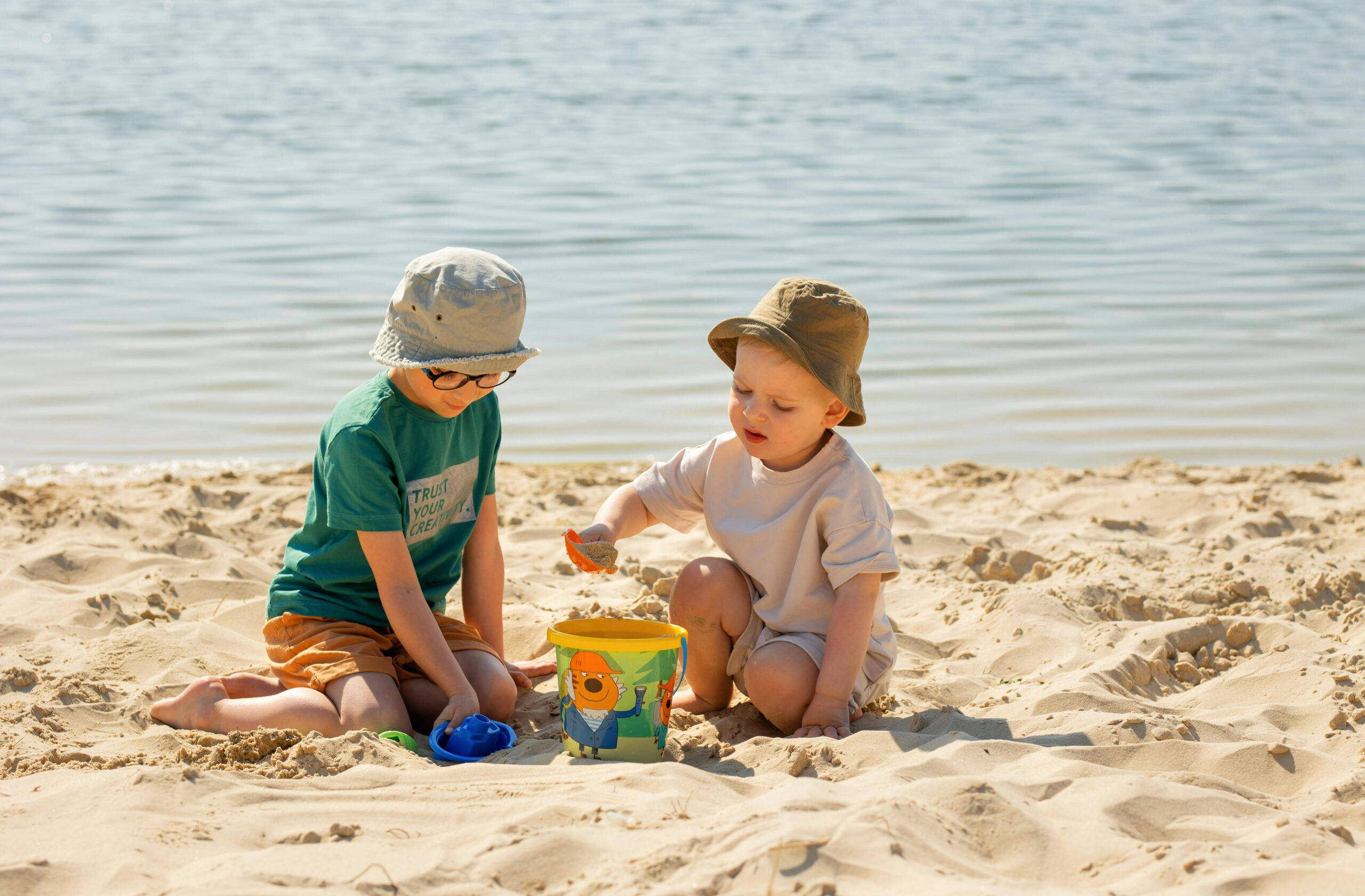 If you are at a public beach or pool, always swim where there are lifeguards on duty and stay where they can see you.
- Never leave children unattended in or near water, especially young children or those who are not strong swimmers. Encourage children to swim with a buddy, always.
- Life jackets: children who are not strong swimmers should wear U.S. Coast Guard-approved life jackets.
Understand Beach Conditions and Hazards
- Understand and speak with your children about water hazards such as rip currents or wakes from passing boats or ships.
- Understand and respect posted warnings about dangers.
- Teach your children about rip currents and how to escape them.
- Understand what the different beach flags mean (red, yellow, green, purple).
- Wildlife dangers: know your environment and what unique dangers might be present (snakes, jellyfish, even sharks or alligators (signified by a purple flag in public swimming areas).
Sun Protection and Hydration
- Apply sunscreen generously and frequently, even on cloudy days.
- Bring plenty of bottled water and encourage children to drink often, especially when playing in the sand.
- If you bring an umbrella, make sure it is secure and not able to fly away.
Other Safety Tips:
- Make sure everyone knows not to drink any of the water they are swimming in. Even pools!
- Don’t swim after heavy rains – runoff can pollute the water with bacteria or dangerous chemicals.
- Stay far away from water skiers or jet skis as well as piers or jetties. Consider using a swim buoy to increase your visibility.
- As tempting as it may be, don’t jump or dive from a dangerous location (rocks, walls, etc.)
- Don’t dig too deep a hole in the sand – it may collapse.
